
 EN
EN  Romana
 Magyar
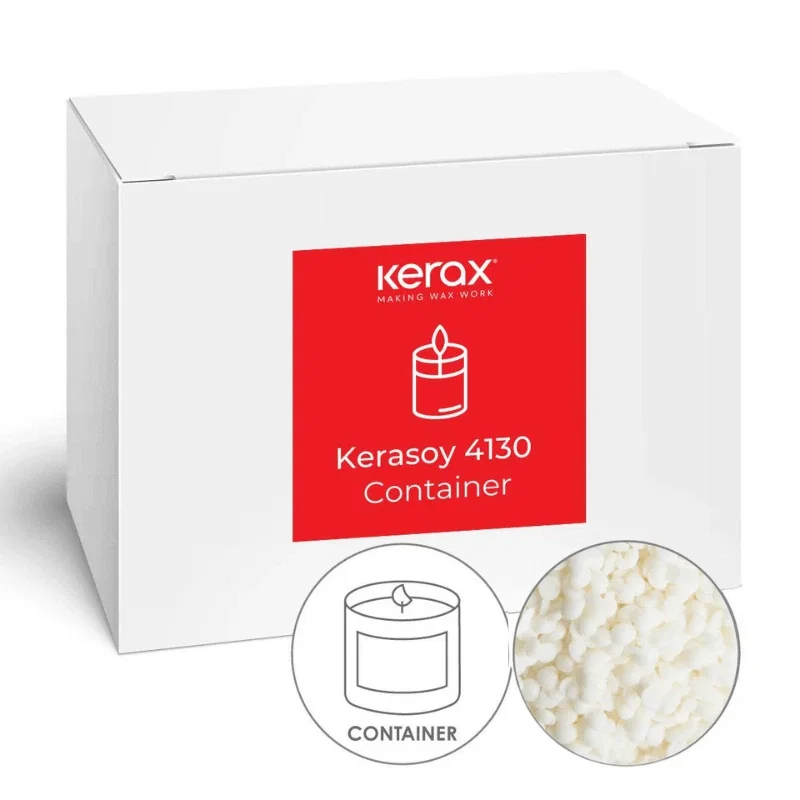
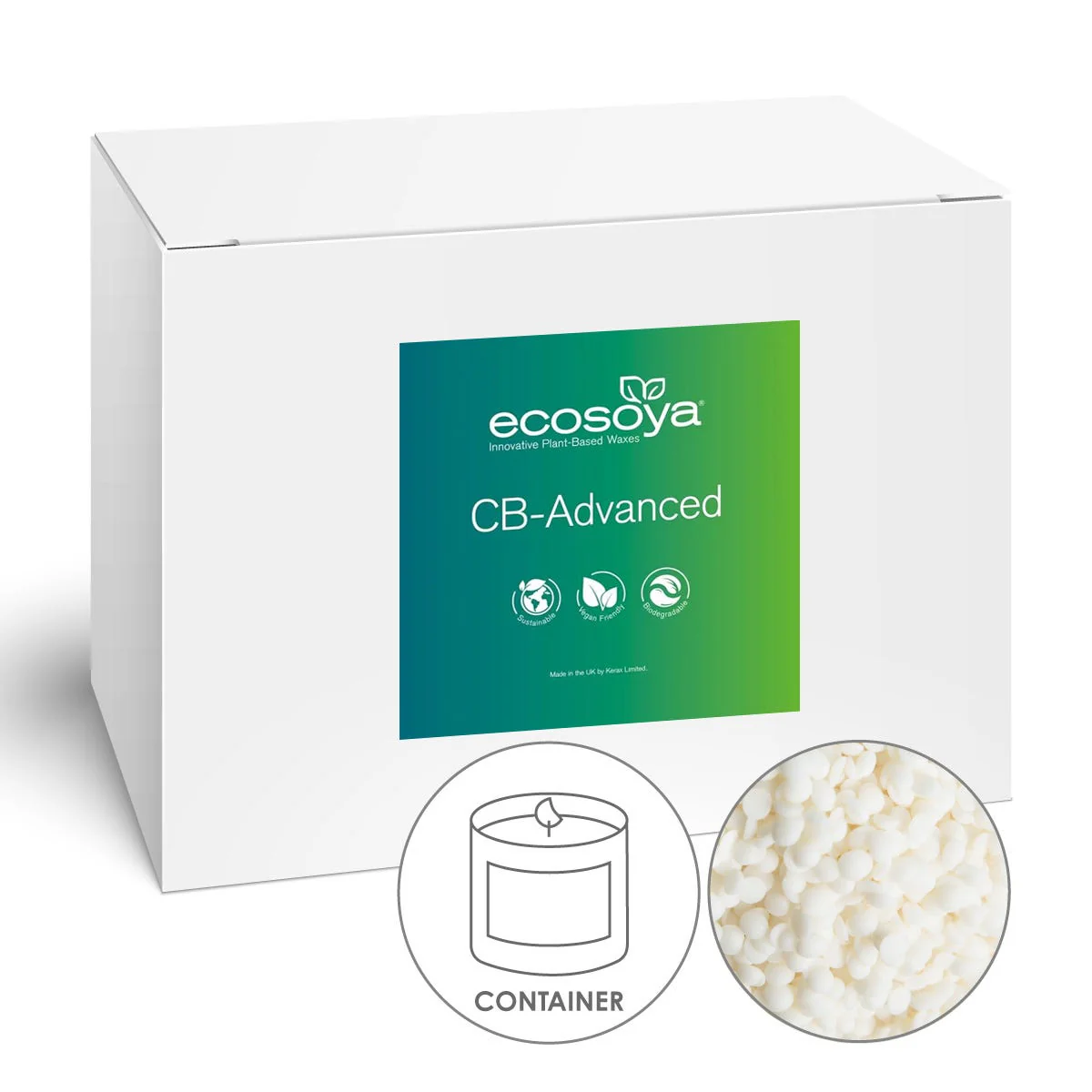
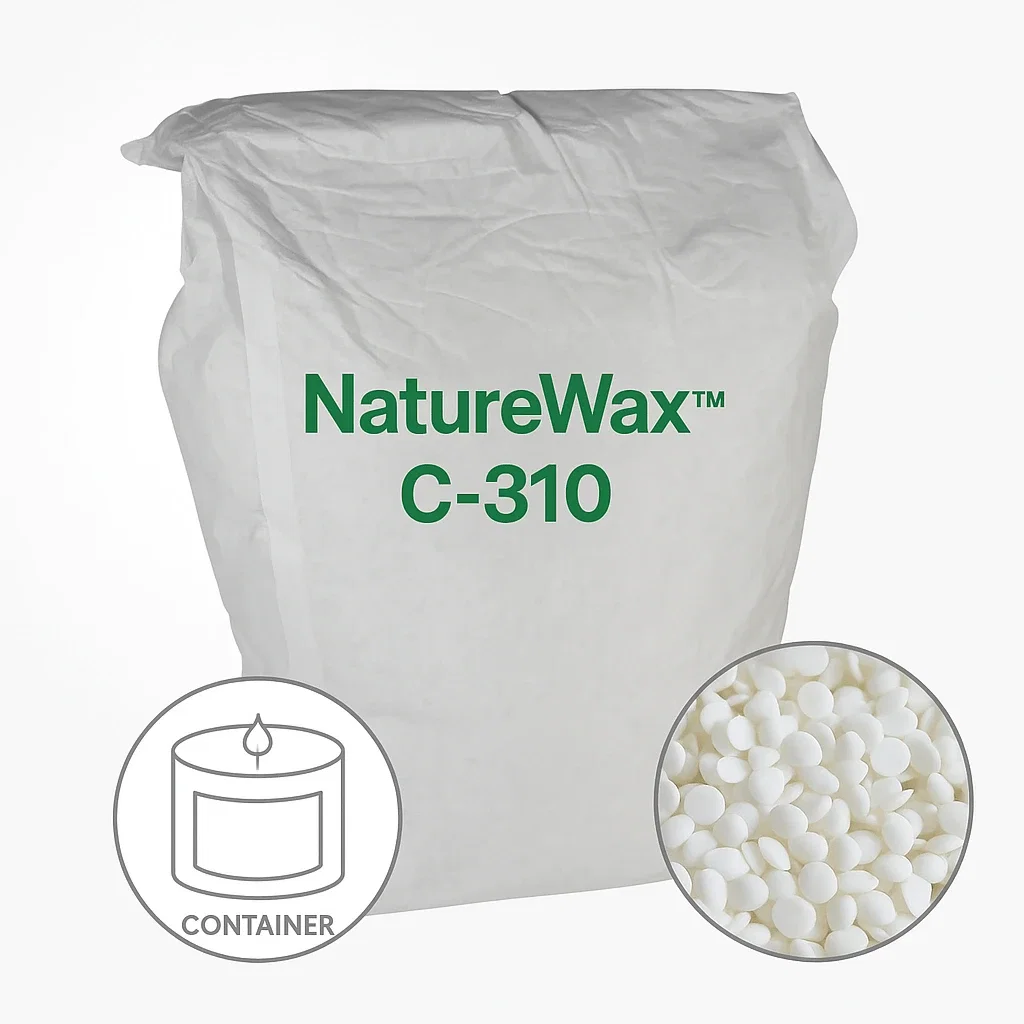
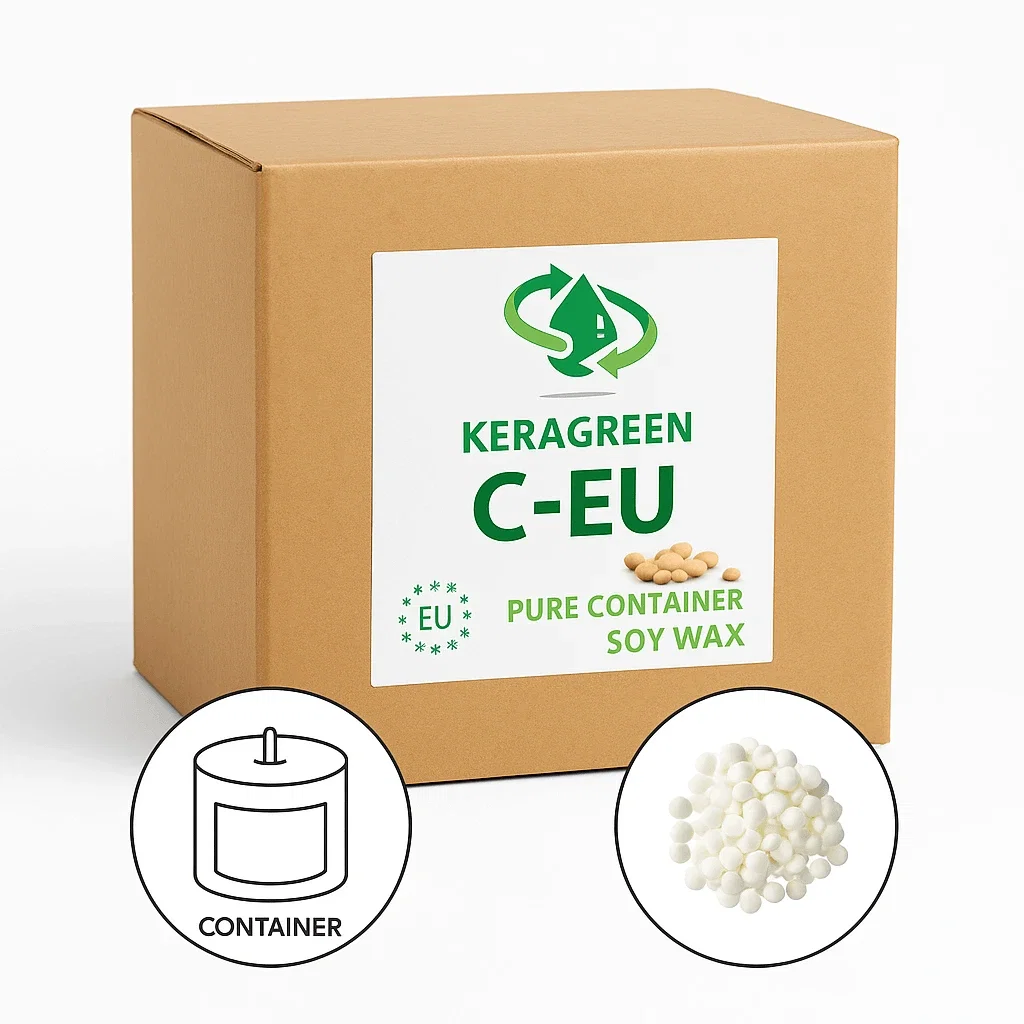
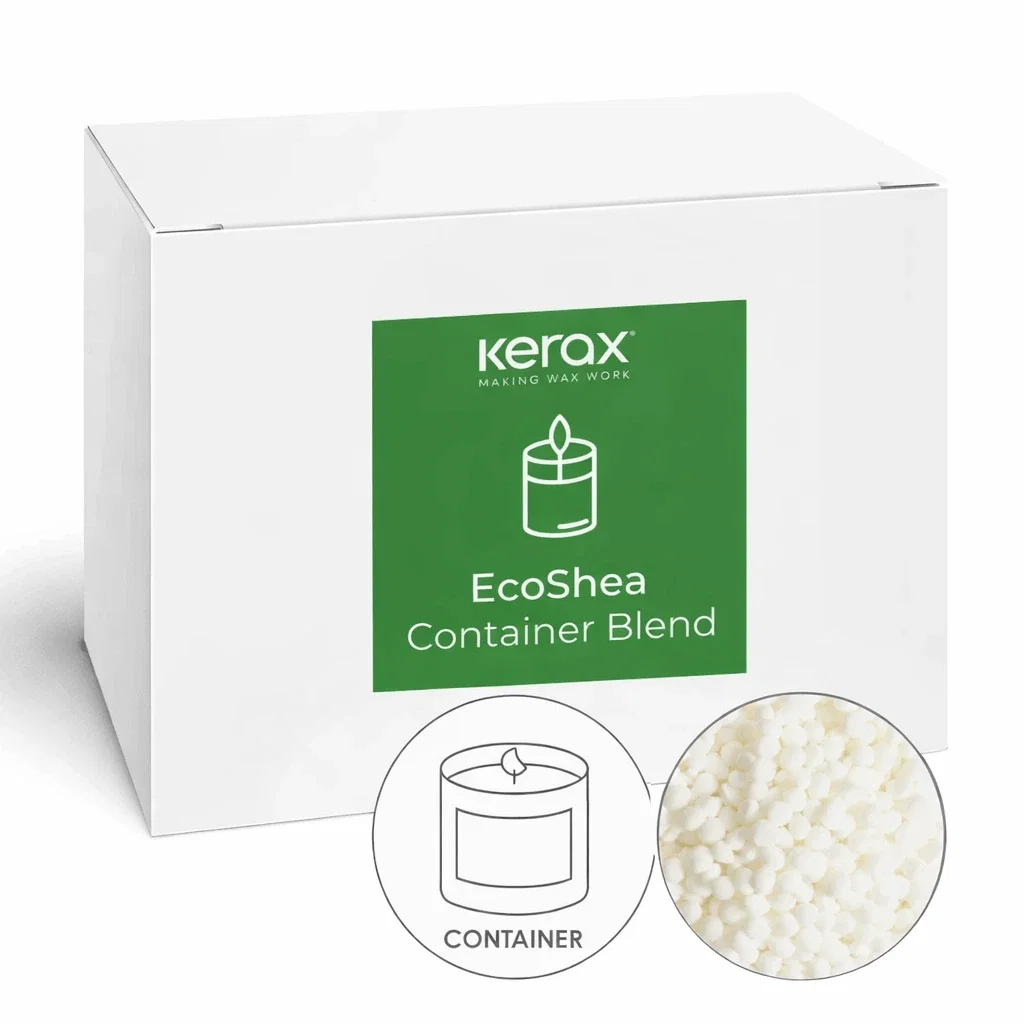
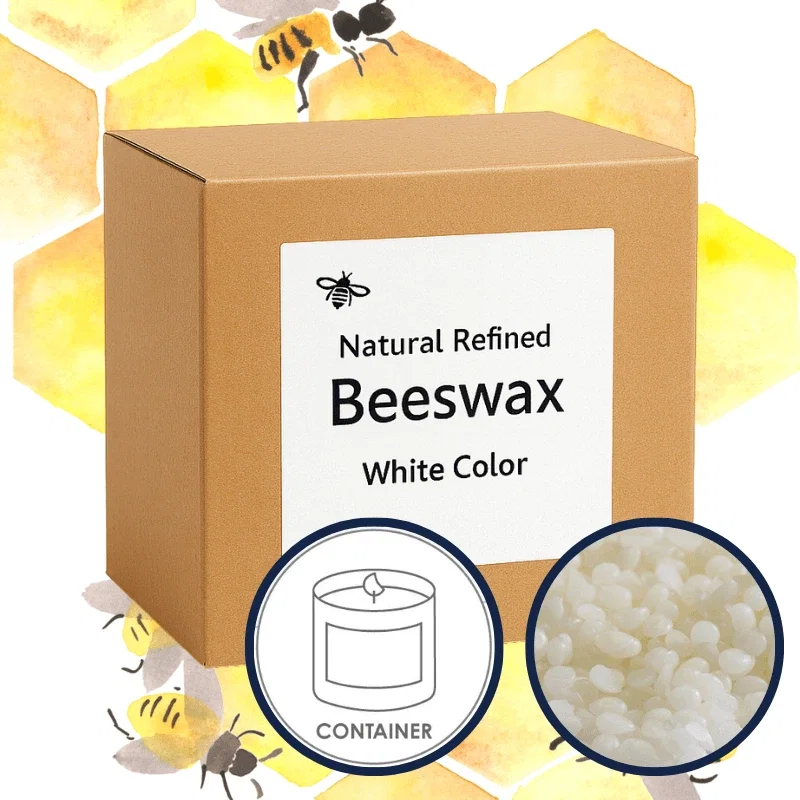
 Candle Sand (Pearled Wax) for Container Candles and Refills – Ready to Use, No Melting – 1 kg
![Candle sand pearled wax, special wax pearls for no-melt candles in glasses – Servus Collection [0]](https://op.gomagcdn.ro/domains/lumanariservus.ro/files/product/medium/ceara-de-floarea-soarelui-keragreen-container-1-kg-copie-748986.webp "Candle sand pearled wax, special wax pearls for no-melt candles in glasses – Servus Collection [0]")
![Candle sand pearled wax, special wax pearls for no-melt candles in glasses – Servus Collection [1]](https://op.gomagcdn.ro/domains/lumanariservus.ro/files/product/medium/ceara-perlata-candle-sand-pentru-lumanari-in-recipient-si-reumpleri-utilizare-directa-fara-topire-1-kg-605644.webp "Candle sand pearled wax, special wax pearls for no-melt candles in glasses – Servus Collection [1]")
![Candle sand pearled wax, special wax pearls for no-melt candles in glasses – Servus Collection [2]](https://op.gomagcdn.ro/domains/lumanariservus.ro/files/product/medium/ceara-de-floarea-soarelui-keragreen-container-1-kg-copie-809446.webp "Candle sand pearled wax, special wax pearls for no-melt candles in glasses – Servus Collection [2]")
![Candle sand pearled wax, special wax pearls for no-melt candles in glasses – Servus Collection [3]](https://op.gomagcdn.ro/domains/lumanariservus.ro/files/product/medium/ceara-de-floarea-soarelui-keragreen-container-1-kg-copie-068034.webp "Candle sand pearled wax, special wax pearls for no-melt candles in glasses – Servus Collection [3]")
![Candle sand pearled wax, special wax pearls for no-melt candles in glasses – Servus Collection [1]](https://op.gomagcdn.ro/domains/lumanariservus.ro/files/product/original/ceara-de-floarea-soarelui-keragreen-container-1-kg-copie-748986.webp "Candle sand pearled wax, special wax pearls for no-melt candles in glasses – Servus Collection [1]")
![Candle sand pearled wax, special wax pearls for no-melt candles in glasses – Servus Collection [2]](https://op.gomagcdn.ro/domains/lumanariservus.ro/files/product/original/ceara-perlata-candle-sand-pentru-lumanari-in-recipient-si-reumpleri-utilizare-directa-fara-topire-1-kg-605644.webp "Candle sand pearled wax, special wax pearls for no-melt candles in glasses – Servus Collection [2]")
![Candle sand pearled wax, special wax pearls for no-melt candles in glasses – Servus Collection [3]](https://op.gomagcdn.ro/domains/lumanariservus.ro/files/product/original/ceara-de-floarea-soarelui-keragreen-container-1-kg-copie-809446.webp "Candle sand pearled wax, special wax pearls for no-melt candles in glasses – Servus Collection [3]")
![Candle sand pearled wax, special wax pearls for no-melt candles in glasses – Servus Collection [4]](https://op.gomagcdn.ro/domains/lumanariservus.ro/files/product/original/ceara-de-floarea-soarelui-keragreen-container-1-kg-copie-068034.webp "Candle sand pearled wax, special wax pearls for no-melt candles in glasses – Servus Collection [4]")
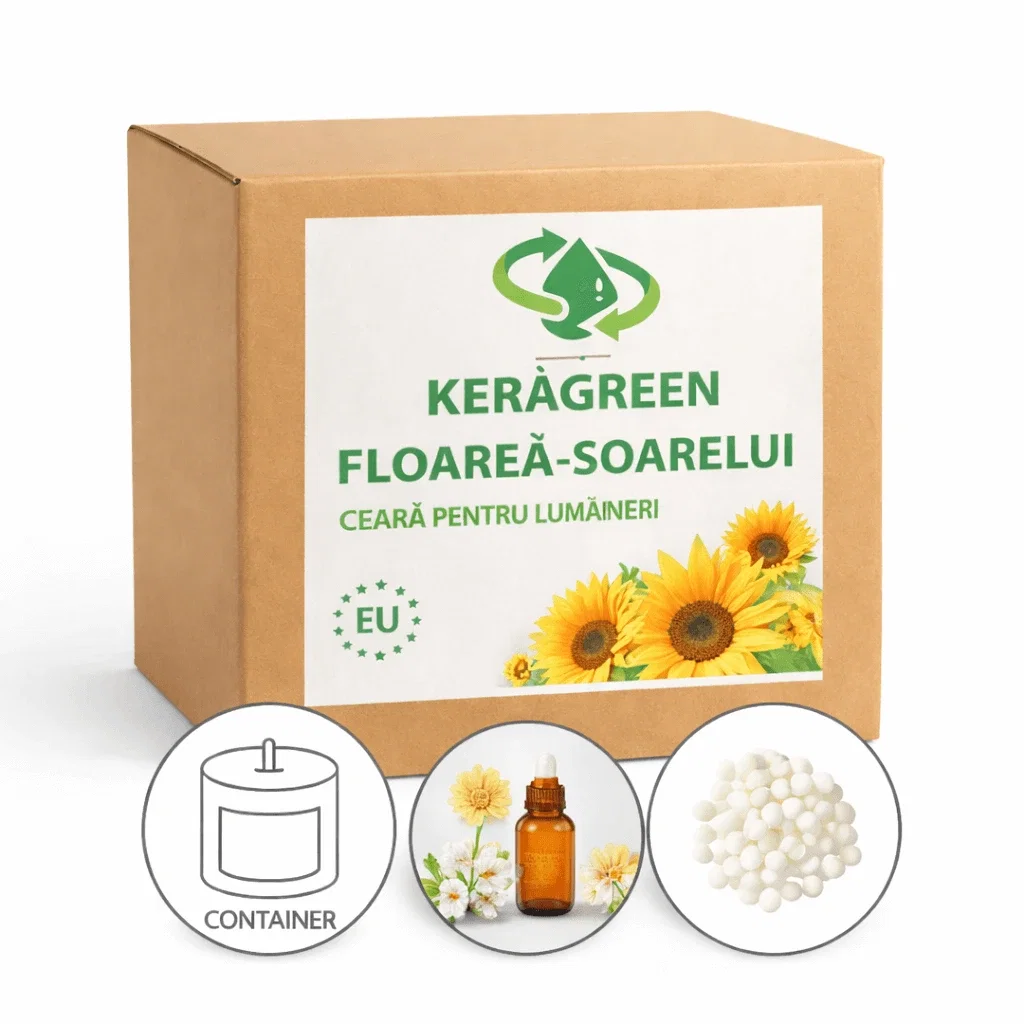
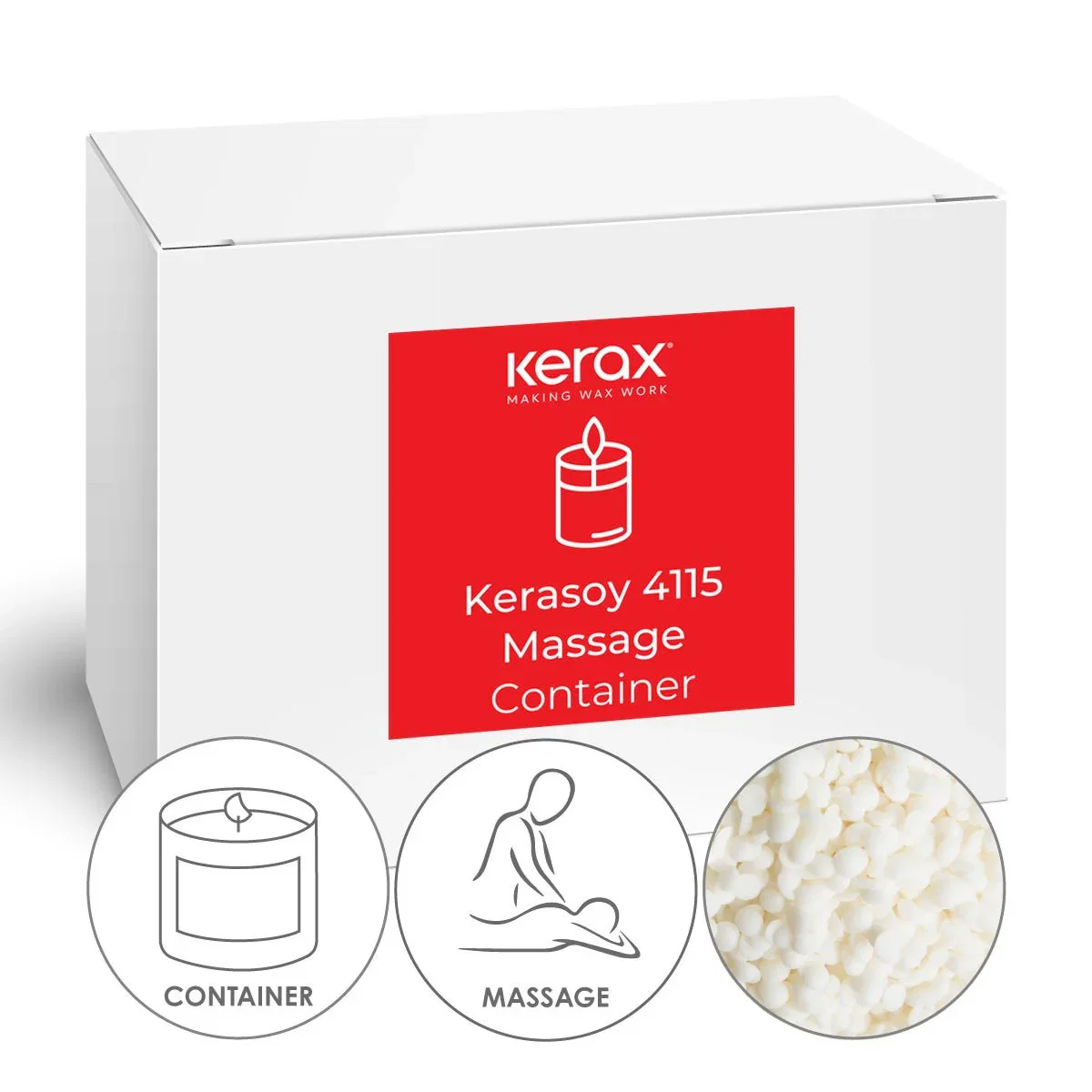
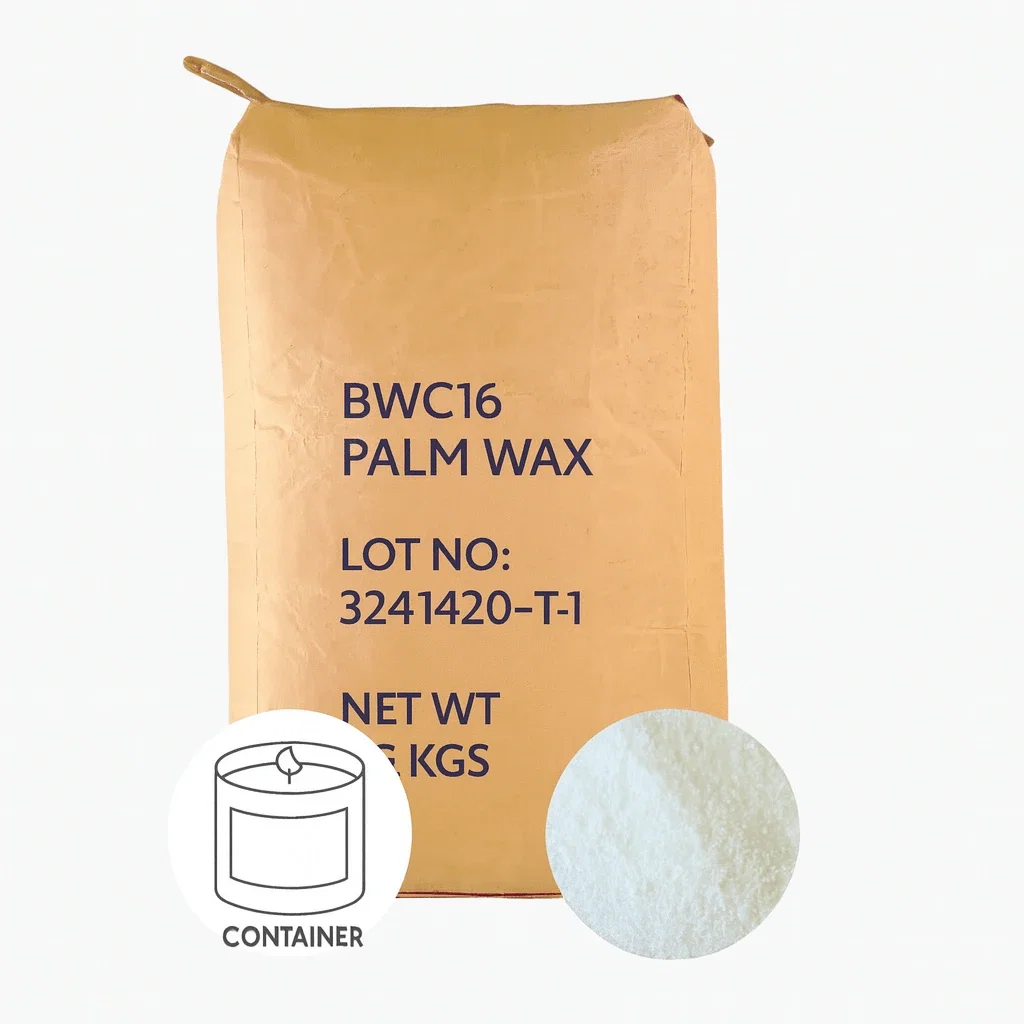
Candle sand (pearled wax) is a special wax in small pearls, POFAC 1855, for candles in glasses and refills, with no melting: tip in the pearls, push in the wick and light it. On wooden wicks we have measured ranges of 5.5–8 cm with a single wick, depending on the shape. Per the data sheets, it has a titre of 55.3–57.5 °C, a melting point of 53–63 °C and is not classified as hazardous. It is not for pouring and not for moulds.
| Quantity Discounts | ||||
|---|---|---|---|---|
| From | Discount | Price / each | You save | |
| 5 each | -6% | 32,86 RON | 10,49 RON | + |
| 10 each | -12% | 30,76 RON | 41,95 RON | + |
| 20 each | -18% | 28,66 RON | 125,84 RON | + |


- Description
- Characteristics
- Download (2)
- Video (1)
- Reviews (1)
- FAQ
From the Servus workshop: what it is
Candle sand, also known as pearled wax, is a special wax in small white pearls. It isn't melted and it isn't poured: you tip the pearls into a glass, push in the wick and light it. The flame melts only the melt pool around the wick; the rest of the pearls stay as you laid them.
The material is POFAC 1855, made by ADC in France. The technical data sheet (TDS) gives a titre of 55.3–57.5 °C, the temperature at which its fatty acids solidify. The safety data sheet (SDS) gives a melting point of 53–63 °C, a yellowish-white colour and a slight, tallow-like odour. The data sheet lists it as a powder, in 25 kg boxes; ours comes as pearls, packed in 1 kg.
Sînziana says: "You don't pour the pearls, you lay them in. The wick does all the work: it melts a small pool around itself, and how wide that pool opens depends on the wick. That's why, with candle sand, you don't ask 'which wax?', you ask 'which wick, in which glass?'. What we have burned, we tell you with our own figures; the rest you check in your own glass."
Behaviour in production
It isn't poured, so it doesn't pull away from the glass. In a poured candle, the wax shrinks as it cools and can come away from the walls. The pearls aren't melted and don't cool in the glass, so this problem doesn't arise. On the other hand, the surface stays pearled, not smooth like a poured candle.
The wick decides how much melts. The melt pool forms only around the wick. On wooden wicks, in our workshop, a single wick covered glasses from 5.5 to 8 cm, depending on the shape (table below). Beyond the wick's range, the pool stays small and the edges stay as pearls. There, use two wicks, equally spaced from the centre.
Refilling. When the pearls run low, add new pearls to the same glass and re-centre the wick.
The smell of the material. The SDS describes it as slight, tallow-like. If you make scented candles, check it on an unscented glass before a run.
With a new batch, test before a large project. Note the batch, glass, wick, fragrance and dye, then compare on a small piece.
Compatibility and recommendations
Wooden wick. The figures below come from our burn tests on granule / sand-type wax, with a single wick, and are the same as on the wick pages. They are starting points, not promises: the glass, the fragrance and the dye change the result.
| Wooden wick | Glass diameter, single wick |
|---|---|
| Straight 90 × 10 mm | 5.5–6 cm |
| Straight 90 × 14 mm | 6–6.5 cm |
| Wave 90 × 25 mm | 6–7 cm |
| Cross 80 × 10 mm | 7–8 cm |
Beyond a wick's range, switch to two wicks, equally spaced from the centre. For the round wick we don't yet have a measured range. You can cut the 90 mm wick into 3–4 pieces of about 3 cm and push them straight into the pearls, without a metal stand.
Waxed cotton wick. For the waxed cotton wick with tab we don't yet have ranges by glass diameter in candle sand. If you use it, confirm it with a test.
Fragrance. The pearls aren't scented throughout. Once the pearls and the wick are in place, add a few drops of fragrance oil next to the wick, not on it: 4 to start, at most around 8. More doesn't help. The data sheet gives no fragrance percentage.
Colour. The pearls are coloured before they go into the glass: 1 kg in a bowl, 4–8 drops of French Color & Fragrance liquid dye, mixed with gloves on until the colour is even, then left in the open air for a few hours to settle. Colour builds up gradually, so start with a little.
The complete system: wicks · fragrance oils · liquid dyes.
Stated limits: what this product does NOT do
NOT for pouring and NOT for moulds. Without melting, the pearls don't bind into a shape.
It does NOT hold the flame at every diameter. Beyond the wick's range, the pool stays small and the edges stay as pearls. Switch to two wicks. For the round wick we have no range.
There is NO fragrance or dye percentage in the data sheet. The drops above are our practice; confirm them in your own glass with a trial.
It does NOT give the smooth surface of a poured candle. It stays pearled; that is its form.
If you're not sure which wooden wick to choose, start with our guide to wooden wicks.
What needs testing: the final result depends on the glass, wick, fragrance and dye. Before a large project, make one piece on your final recipe.
Technical properties (TDS and SDS, POFAC 1855)
| Property | Value | What it means in practice |
|---|---|---|
| Name in the data sheets | POFAC 1855 (TDS and SDS) | — |
| Producer | ADC, France (SDS) | — |
| Form | powder, in 25 kg boxes (TDS) | at Servus, pearls, 1 kg pack |
| Appearance and odour | solid, yellowish-white, slight tallow-like odour (SDS) | — |
| Titre | 55.3–57.5 °C (TDS) | the temperature at which the fatty acids solidify |
| Melting point | 53–63 °C (SDS) | only the pool around the wick melts |
| Acid value | 203–211 mg KOH/g (TDS) | — |
| Saponification value | 204–212 mg KOH/g (TDS) | — |
| Iodine value | max. 0.5 (TDS) | — |
| Lovibond colour | red max. 0.3 · yellow max. 3 (TDS) | — |
| Flash point | 180–202 °C (ASTM D92, SDS) | — |
| Classification | not classified as hazardous (SDS) | — |
| REACH number | 01-2119543709-29-0004 (SDS) | — |
| CAS / EINECS | 67701-03-5 / 266-928-5 (SDS) | — |
| Fragrance and dye | not in the data sheets | set by trial |
How it behaves in your glass (the exact wick, how many drops of fragrance, the shade) is set by testing. It isn't in the data sheet.
Step by step
- The container: clean and dry, made of glass, ceramic or metal.
- Colour, if you want it: colour the pearls beforehand, in a bowl, with a few drops of liquid dye, and leave them in the open air for a few hours.
- The pearls: tip them into the glass.
- The wick: choose it by the glass diameter, from the table above, and push it into the centre. Beyond its range, use two wicks, equally spaced from the centre.
- Fragrance, if you want it: a few drops next to the wick, not on it.
- First burn: watch the melt pool. If it stays small, move to a wider wick or to two. If the flame is unsteady and jumps, you have too much wick for that glass.
- Refilling: add new pearls to the same glass and re-centre the wick.
Servus Collection
Since 2010, from craft to real distribution. We sell selected materials, tested and explained from real workshop experience. From Maramureș, for workshops in Romania and abroad.
Servus. See you at the pouring table.
Tip produs Servus MP: ceara_recipient
What is candle sand (pearled wax) and what is it used for?
It is a special wax in small white pearls, POFAC 1855, for candles in glasses and refills. It isn’t melted and it isn’t poured: you tip the pearls into the glass, push in the wick and light it, and the flame melts only the pool around the wick. The technical data sheet gives a titre of 55.3–57.5 °C. The data sheet lists it as a powder; ours comes as pearls, packed in 1 kg.
Which wick do I use and how much fragrance do I add?
On wooden wicks, with a single wick, we have measured: straight 10 mm for glasses of 5.5–6 cm, straight 14 mm for 6–6.5 cm, wave for 6–7 cm and cross for 7–8 cm. Beyond that, use two wicks. The fragrance isn’t mixed into the pearls: add a few drops next to the wick, not on it, from 4 up to about 8. The data sheet gives no fragrance percentage, so confirm it in your own glass.
Why does the melt pool stay small, with the pearls at the edge left unmelted?
The wick is too narrow for the glass. With candle sand, only the pool around the wick melts, so its width is set by the wick. Check that the glass doesn’t go beyond the wick’s range in our table, and move to a wider wick or to two wicks, equally spaced from the centre. If the flame is unsteady and jumps, it’s the other way round: you have too much wick for that glass.
How do I colour the pearls?
Before you put them in the glass. In the workshop we put 1 kg of pearls in a bowl, add 4–8 drops of French Color & Fragrance liquid dye and mix with gloves on until the colour is even, then leave the pearls in the open air for a few hours to settle. Colour builds up gradually, so start with a little. The data sheet gives no dye percentage.
What does candle sand NOT do?
It is not for pouring and not for moulds: without melting, the pearls don’t bind into a shape. It doesn’t give the smooth surface of a poured candle. And it doesn’t hold the flame at every diameter: beyond the wick’s range, switch to two wicks.
What should I do if my candle isn’t burning properly?
Don’t change every variable at once. Check in turn the glass diameter against the wick’s range, the wick shape, whether the wick sits in the centre and how many drops of fragrance you added. Contact us on WhatsApp or by phone at +40 726 162 810 (we answer in English) with the glass diameter, wick, fragrance and dye. We will isolate the technical cause together.
Why buy candle sand from Servus?
Servus has been a registered producer since 2010. We tell you what material is in the bag: POFAC 1855, with its technical data sheet and safety data sheet. The wick ranges are the ones we measured, the same as on the wooden wick pages, and what we haven’t measured, we say openly. When a candle doesn’t come out right, we look for the variable together with you.
Daniela Dumitrica,
Bună ziua,
ReplyAu ajuns în regula toate produsele. Sunt minunate! Va mulțumesc si va doresc o zi buna în continuare!
Was this review useful?