 EN
EN  Romana
 Magyar
You have a thousand things on your mind. The candle shouldn’t be one of them.
You’re organising a wedding or a baptism. Your list is full: people, emotions, deadlines. The candle looks like a small detail, until the moment it gives off black smoke in the middle of the church, starts dripping onto the godparents’ clothes or arrives damaged from the courier.
I’m Sînziana. And after more than 15 years in the Servus workshop, I can tell you straight: the candle doesn’t create problems. The way it’s built does.
| Over 1,000 customers have left us reviews. Average rating: 4.9★ on Google. |
|---|
Why event candles drip and smoke
The problems don’t come from how you hold the candle, but from how it’s built.
Black smoke appears when the wick isn’t calibrated correctly for the diameter of the candle, or when the wax composition burns unevenly. The flame becomes irregular, the burn is no longer complete, and the result shows straight away: not in the workshop, but in church.
Dripping is, in fact, an imbalance of the melt pool. Instead of the wax staying contained inside, it starts running down the outside. That’s why it ends up on hands, on clothes or on the decoration. It isn’t “normal”; it’s a clear sign that the candle isn’t calibrated.
Delivery is the last test. A well-made candle has to arrive whole. If it doesn’t, the problem isn’t the courier, but the construction or the packaging.
What a stable candle means (tested, not just talked about)
In the Servus workshop, we don’t validate a candle by how it looks on the table, but by how it behaves when it burns.
We work with a stable technical base, built up over time, not from recipes off the internet. Paraffin gives control over the burn, vegetable stearin brings rigidity and resistance to high temperatures, and palm wax stabilises the shape in changing conditions.
But the real difference doesn’t come from the list of ingredients. It comes from testing and from repeated corrections.
How we test in the workshop (the part you don’t see)
We don’t light the candle “to see if it works”. We take it into conditions close to the event.
We let about 5 cm burn actively and closely watch the flame, the direction of the melting and how the decoration behaves. That’s where the truth shows, not in the first few minutes.
Sometimes a candle looks perfect, but after a while it starts to change its melt pool. In cases like that, we don’t adjust on paper: we rebuild the construction.
If you want to understand in more detail why the wick completely changes how a candle behaves, we’ve explained it at length from the workshop in our guide to choosing the right candle wick.
(It’s the kind of subject you only learn after watching hundreds of candles burn, not from a diagram.)
Real burn times (data from the Servus workshop)
This is where a lot of confusion comes in, because most people look at the height, not the diameter.
In reality, the diameter controls the burn:
- 4.5 cm diameter → about 10 hours for every 5 cm of burning
- 5.5 cm diameter → about 12 hours for every 5 cm
- 7 cm diameter → about 15 hours for every 5 cm
These values are a guide and can vary with the conditions in the church: temperature, draughts or the way the candle is held.
An important difference: beeswax vs poured candles
Rolled beeswax candles are natural and have a charm of their own, but they need to be understood properly.
They don’t have a solid, compact mass, and for this reason they can form an “inner volcano”. The wax melts along a central channel, while the walls stay relatively intact. It isn’t a defect, but the specific behaviour of the material.
If your priority is stability and control throughout the ceremony, poured candles are the safer choice.
Personalisation without risk (not just for looks)
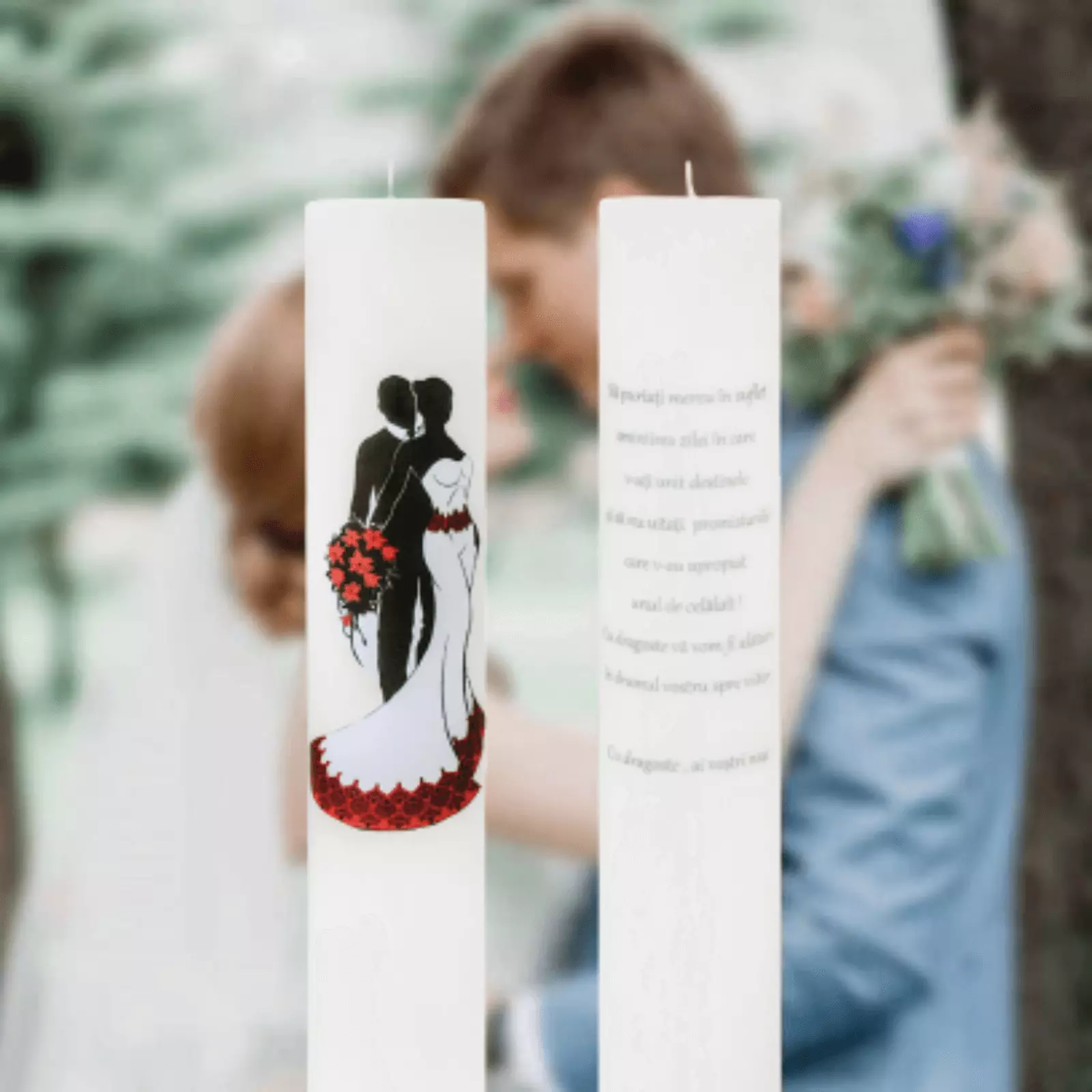
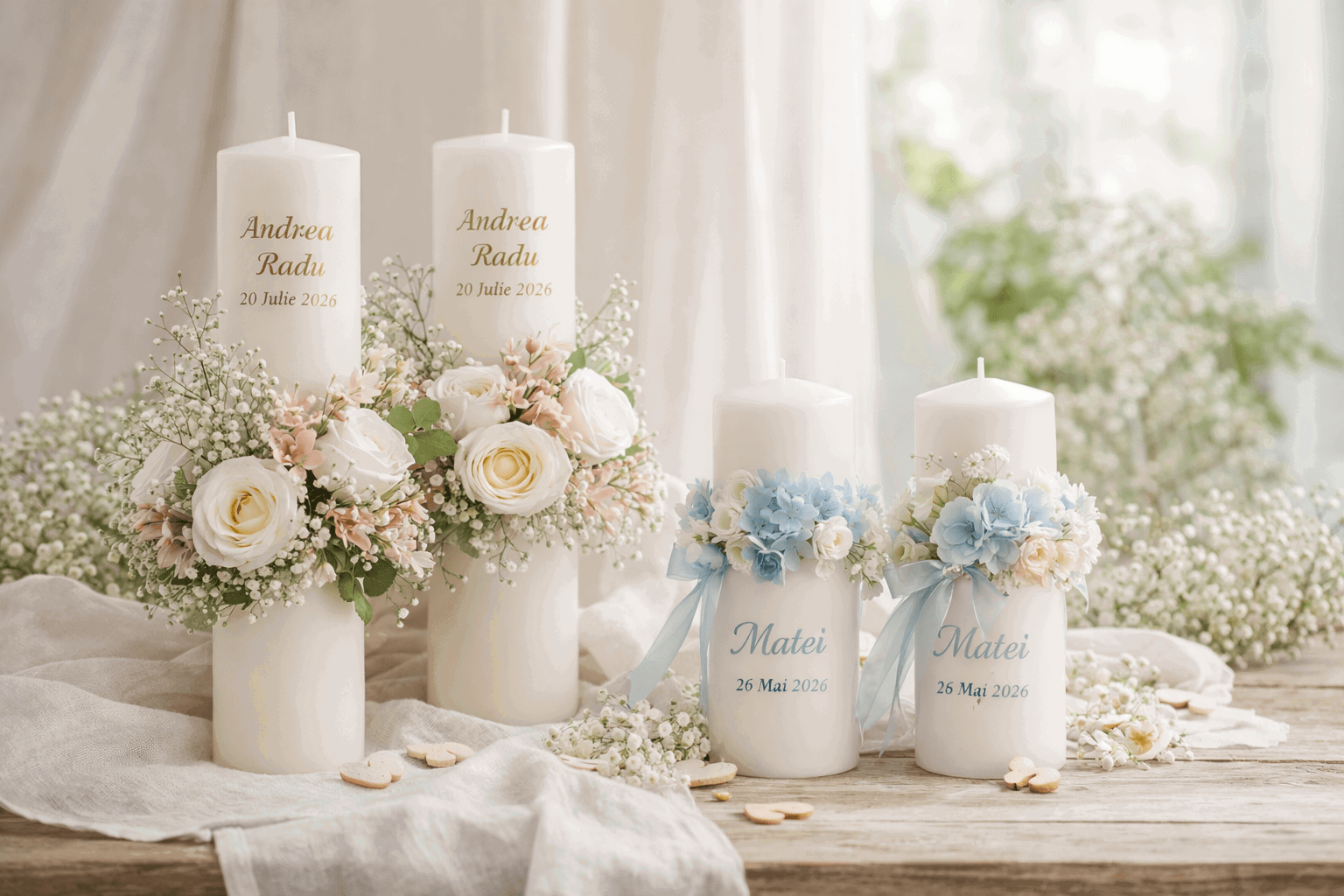
At Servus, personalisation isn’t applied to the surface. The names and the date are printed and sealed.
This means they don’t rub off, don’t peel and aren’t affected by heat. It’s a small difference at the start, but an essential one during the event.
Before delivery, you get a photo of the finished product on WhatsApp. We only ship after you confirm. It’s our way of removing uncertainty completely.
Delivery without stress (and without improvising)
The packaging is designed for real shipping: rigid boxes, inner protection and an anti-shock system. It isn’t a formality, but part of the product.
And still, unforeseen situations happen. That’s why there is the “Nu-i Bai” guarantee. If a problem comes up, we remake the product and send it out quickly, without needless discussion.
A recommendation from the workshop (not from marketing)
If you want to take the stress out completely, order at least 14 days before the event.
Personalisation can take up to 7 days and courier delivery 2–4 working days, and this margin gives you the peace of mind that there’s time for any adjustment that’s needed.
Plain candles are usually in stock. Personalised ones are built to order.
Conclusion (the Servus way)
Smoke isn’t chance.
Dripping isn’t normal.
The problems aren’t bad luck.
They are the results of choices you don’t see in the photo.
In the workshop, we see them every day. And we correct them.
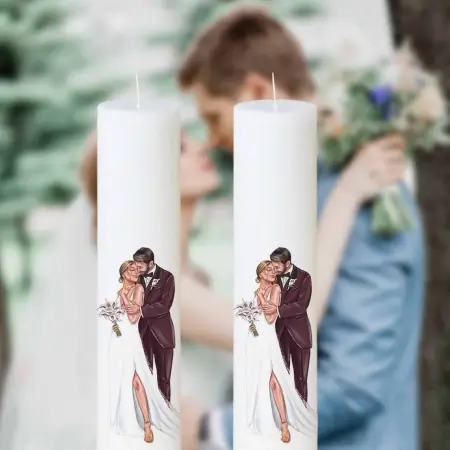
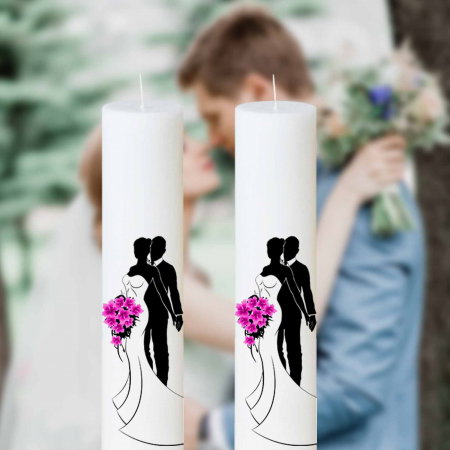
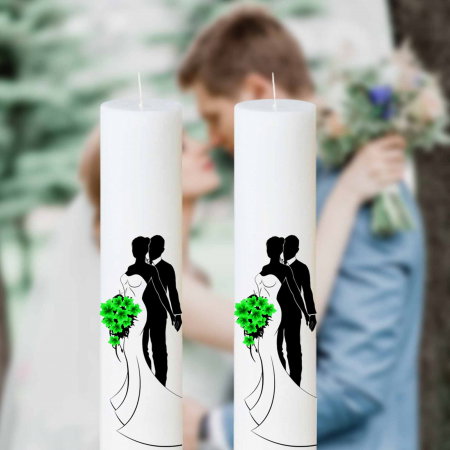
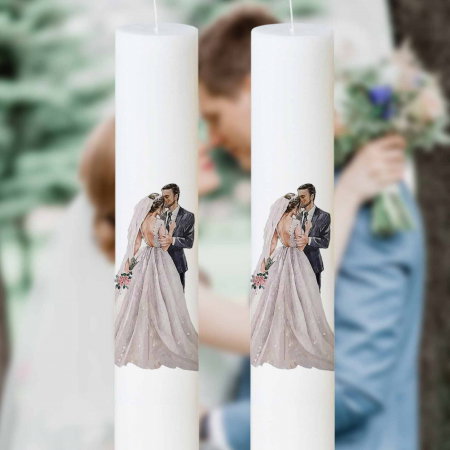
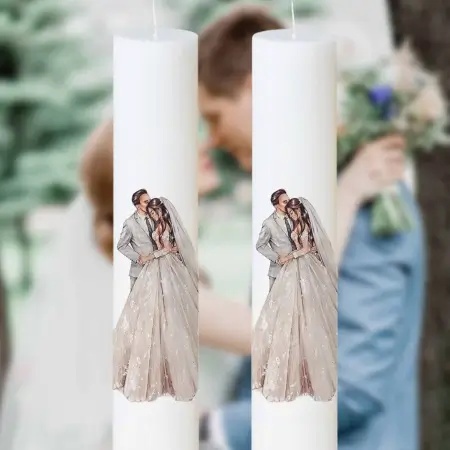
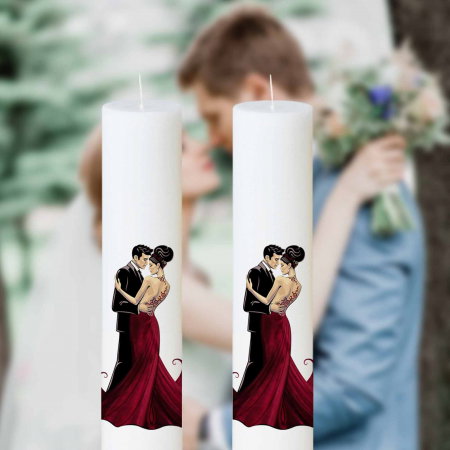
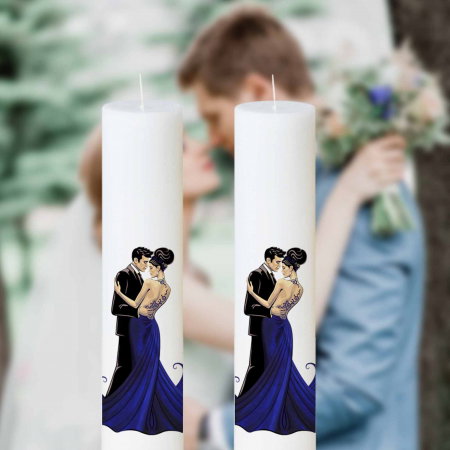
If you want to see what the versions built for the event look like, not just for decoration, you can start here:
And if you still have questions, the simplest thing is to talk them through directly. Because some things can’t be fully explained in an article. They’re understood better from the workshop.
| Choose a candle made for the event, not for the photo. |
|---|
# ↑ AICI SE TERMINĂ ARTICOLUL ↑
# Mai jos NU se publică în corpul articolului — sunt câmpuri separate în Gomag, slotul EN.